Care Assistant Jobs in the UK With Visa Sponsorship
Enyong Carinton Tegum
Published on November 12, 2025

Few routes have opened more doors for Africans seeking UK work than care. Demand is enormous, the salary threshold is lower than for most skilled roles, and thousands of employers actively sponsor international workers. If you are searching for care assistant jobs with visa sponsorship, this guide explains exactly how the route works, what it pays, who can apply, and the step-by-step way to land one from Africa.

Why Care Roles Are So Accessible
The UK has a deep, long-running shortage of care workers driven by an ageing population. To fill it, the government placed care assistant and senior care worker roles on the Health and Care Worker visa — a route with a reduced salary threshold, lower application fees, faster processing, and an exemption from the Immigration Health Surcharge for eligible health and care roles. For applicants without a university degree, this combination makes care one of the most realistic legal pathways to the UK that exists today.
It is also a sector where character outweighs credentials. Employers want people who are patient, reliable and genuinely kind. If that is you, your nationality or lack of a degree is not the barrier you might fear.
What a Care Assistant Actually Does
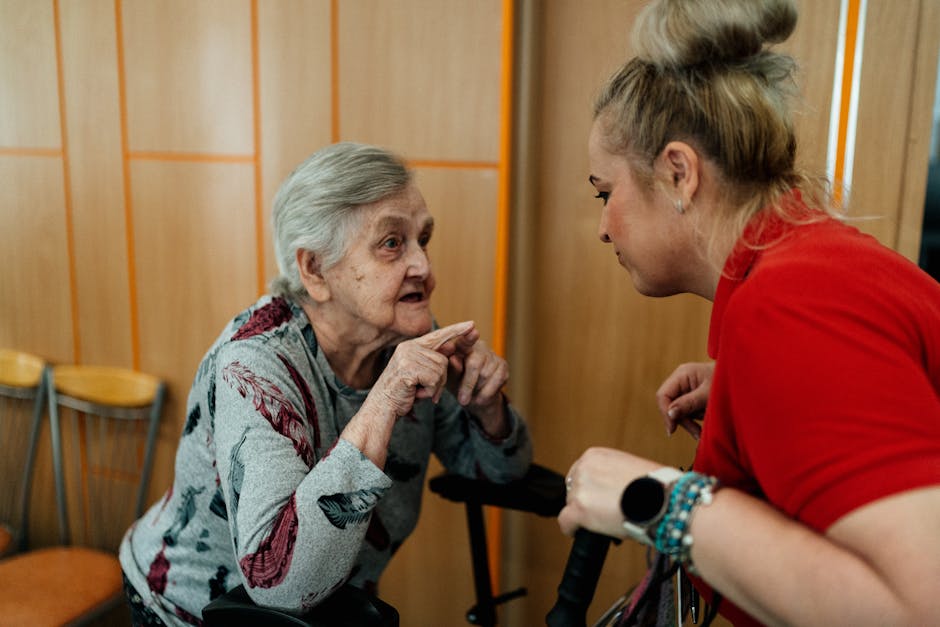
Care assistants (also called health care assistants, carers, or care support workers) help people who need support with daily living — older adults, people with disabilities, or those recovering from illness or surgery. The work happens in care homes, in clients' own homes (domiciliary care), supported living, or hospitals. Typical duties include:
- Helping with washing, dressing, toileting and personal hygiene.
- Assisting with meals, hydration, mobility and medication reminders.
- Providing companionship and emotional support to reduce isolation.
- Monitoring wellbeing, recording observations and following care plans.
- Supporting people to stay active and engaged in their community.
A Day in the Life
A typical shift might begin with helping residents wake, wash and dress, then serving breakfast and supporting medication rounds. Mid-morning could involve activities, mobility support or accompanying someone to an appointment. Afternoons bring more personal care, social time and documentation. Many roles run on shift patterns — early, late or night — which can suit people who want predictable hours. The work is physically and emotionally demanding, but carers consistently describe it as some of the most meaningful work they have done.
Requirements for African Applicants
- A job offer from a sponsoring, CQC-registered care provider. Only providers regulated by the Care Quality Commission and holding a sponsor licence can sponsor care visas.
- A Certificate of Sponsorship for an eligible care role.
- English language ability at the required level (a recognised test, an English-taught degree, or being from a majority-English country).
- Basic suitability. Many roles welcome applicants with little formal experience; care experience, an NVQ, or the Care Certificate strengthens you.
- A clean background check (an enhanced DBS), since you work with vulnerable people.
- A tuberculosis test certificate, required for applicants from many African countries.
Salary and Conditions
Care roles use the lower health and care salary threshold and the occupation's going rate rather than the full general threshold. Pay is modest compared with high-skill jobs, but it clears the visa requirement and comes with NHS access for you. Note an important rule change: since 2024, care workers on this route generally cannot bring dependants with them, so plan your finances and family situation around that. Rules and figures are updated periodically, so always confirm the latest position on gov.uk.
How to Find Genuine Sponsored Care Jobs
- Target CQC-registered providers that appear on the official UK register of licensed sponsors — care homes and home-care agencies.
- Search verified boards. You can browse care assistant roles with sponsorship on TontonAfriJobs, where listings are pre-screened for eligibility.
- Apply with a tailored CV that highlights compassion, reliability and any care, nursing, hospitality or customer-service experience. Our free AI CV builder shapes it for UK care roles.
- Prepare for a values-based interview — employers test attitude and scenarios more than technical knowledge.
- Never pay an agent for a care job offer. Legitimate sponsors do not charge candidates; anyone demanding money for a guaranteed role is a scammer.
What It Actually Costs to Apply
Budgeting matters as much as eligibility. Health and care visa applicants benefit from a reduced application fee compared with the standard Skilled Worker route, and eligible health and care roles are exempt from the Immigration Health Surcharge — a real saving over the life of a multi-year visa. You should still budget for the Certificate of Sponsorship fee (usually paid by the employer, but confirm this in writing), your TB test certificate, translation of documents if needed, biometric enrolment, and flights. Ask your prospective employer directly which costs they cover — reputable sponsors are transparent about this before you accept an offer, and many cover some or all of it as part of a relocation package.
Care Certificate vs NVQ: What Is the Difference?
Two qualifications come up constantly in UK care recruitment, and confusing them can cost you interview time. The Care Certificate is an entry-level induction standard covering 15 core competencies (safeguarding, communication, health and safety, and so on) — most employers deliver it in your first few weeks on the job, so you do not need it before you apply. An NVQ/QCF Diploma in Health and Social Care (levels 2 to 5) is a deeper, assessed qualification that takes months to complete and signals genuine career progression toward senior carer, team leader or registered manager roles. If you already hold an NVQ-equivalent qualification from your home country, list it clearly on your CV — it can help you qualify for slightly higher-paying senior roles from day one.
What Happens After You Arrive
Most employers run a structured induction in your first one to two weeks: shadowing an experienced colleague, completing the Care Certificate modules, safeguarding training, moving-and-handling training, and medication-administration training if your role requires it. Your enhanced DBS check is typically renewed or transferred through your new employer, and many providers also arrange your National Insurance number appointment and help you register with a GP and open a UK bank account. Ask about induction length and mentoring during your interview — a vague answer is a signal to look elsewhere, while a detailed one usually means a well-run, experienced sponsor.
Interview Preparation: What Care Employers Actually Ask
Care interviews rarely test technical knowledge upfront — they test judgement and character. Be ready for scenario questions such as "How would you respond if a resident refused personal care?" (good answers centre on dignity, patience and offering choices, not forcing compliance), or "Tell us about a time you supported someone through a difficult situation" (a real example from any setting — family, community, prior work — works well). Employers also commonly ask why you specifically chose care work and why you want to work in the UK; a genuine, specific answer beats a rehearsed one. If the interview is over video call, test your connection and find a quiet space in advance — technical hiccups can unfairly cost you the role.
Common Mistakes to Avoid
- Applying to care homes that are not CQC-registered or not licensed sponsors.
- Sending the same generic CV everywhere instead of mirroring each role.
- Underselling soft skills — patience, empathy and reliability are exactly what wins these jobs.
- Falling for upfront-fee scams promising guaranteed sponsorship.
- Not asking upfront which visa and relocation costs the employer actually covers.
Frequently Asked Questions
Can I get a UK care job with no experience?
Often yes. Many employers provide full training and value the right attitude, though any care, health or support experience strengthens your application.
Do care assistant jobs really sponsor visas?
Yes — eligible care roles fall under the Health and Care Worker visa, and CQC-registered providers sponsor regularly across the UK.
Can I bring my family on a care visa?
Since 2024, care workers on this route generally cannot bring dependants. Check the current rule on gov.uk before applying.
What qualification do I need?
No degree is required. English ability and a genuine job offer matter most; the Care Certificate or an NVQ helps you stand out.
How long does the process take?
From offer to arrival it often takes one to three months, including the Certificate of Sponsorship, visa application and biometrics.
Do I need the Care Certificate before I apply?
No. It is normally delivered by your employer during induction, not a pre-requisite for the job offer itself.
Is the Immigration Health Surcharge really waived?
Many eligible health and care roles are exempt from it, which is a meaningful saving — confirm your specific role qualifies before you budget.
Can I progress beyond care assistant level?
Yes. With experience and further qualifications, many carers move into senior carer, team leader, or registered manager roles, and some go on to nursing.
Conclusion
UK care assistant jobs remain one of the most achievable visa-sponsored routes for Africans: high demand, a lower threshold, NHS access, and employers who genuinely sponsor. Target CQC-registered sponsors, lead with a caring and reliable CV, prepare for values-based interviews, and only ever apply through legitimate channels. Find sponsored care roles now and build your CV in minutes.
Related guides
Keep building your move abroad with these in-depth guides from TontonAfriJobs:
- Support Worker Jobs With Visa Sponsorship in the UK
- IT and Tech Jobs in the UK With Visa Sponsorship
- Teaching Jobs With Visa Sponsorship in the UK
Ready to act? Browse current visa-sponsored and remote jobs open to Africans or build a country-tailored CV with our free CV builder.

Écrit par
Enyong Carinton Tegum
Fondateur, TontonAfriJobs · Développeur Full-Stack · SEO et marketing numérique · Certifié CCNA et Google IT
Enyong Carinton est un développeur Web full-stack, spécialiste du référencement et du marketing numérique originaire de Buea, au Cameroun, et fondateur de Tonton Business. S'appuyant sur plus d'une décennie de développement pour le Web, il a créé TontonAfriJobs pour connecter la main-d'œuvre africaine avec des emplois légitimes financés par un visa et à distance à l'étranger - et pour mettre fin aux refus silencieux auxquels les candidats africains sont confrontés.
Lire le profil complet et les informations d'identificationRecevez de nouveaux emplois sponsorisés par un visa et à distance dans votre boîte de réception
Rejoignez des milliers de professionnels africains. Nouvelles opportunités et guides de relocalisation, pas de spam — désabonnez-vous à tout moment.