Support Worker Jobs With Visa Sponsorship in the UK
Enyong Carinton Tegum
Published on December 03, 2025
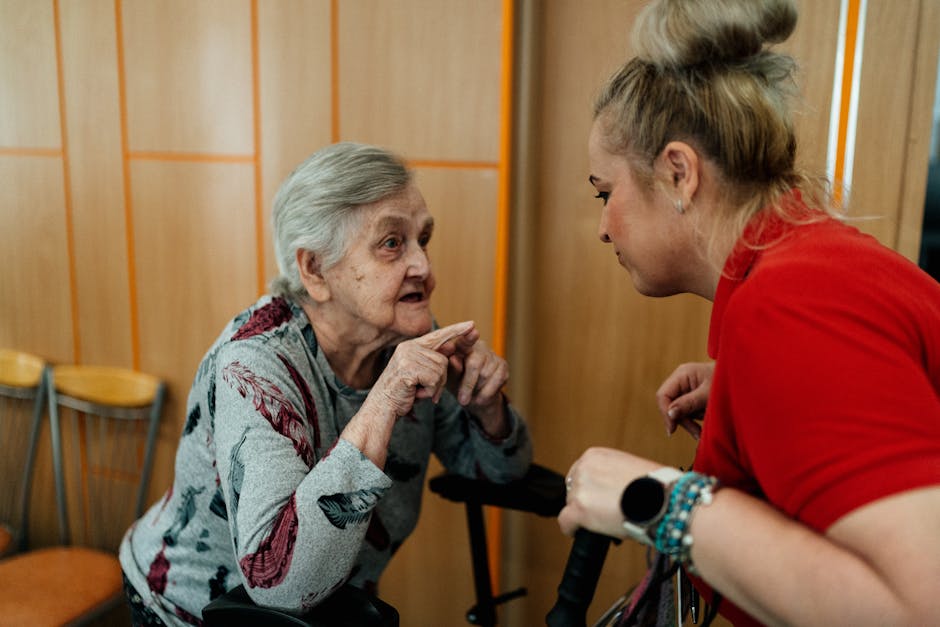
Closely related to care assistant roles, support worker jobs with visa sponsorship are another high-demand, accessible route into the UK for African applicants. If you are caring, patient and reliable, this could be your pathway abroad — often without needing a university degree. This guide covers what the role involves, the settings you could work in, what it pays, and exactly how to get hired.
What Is a Support Worker?
A support worker helps people live as independently as possible. Unlike pure personal care, support work often focuses on enabling independence, building life skills and promoting social inclusion. You might support adults with learning disabilities, people with mental health needs, individuals with physical disabilities, young people leaving care, or older people in the community.
Where Support Workers Work
- Supported living services — helping people manage their own homes and routines.
- Residential care and specialist units.
- Community and outreach roles — supporting people to access work, education and social activities.
- Mental health services — promoting recovery and wellbeing.
Why It Is a Strong Route for Africans
Like care assistants, eligible support worker roles sit under the Health and Care Worker visa, which means a lower salary threshold, reduced fees, and strong sponsor availability. Providers across the UK struggle to fill these roles, so they sponsor international workers regularly. Crucially, compassion, patience and dependability count far more than formal academic credentials — qualities many African applicants have in abundance.
Typical Duties
- Helping clients with daily routines, personal care where needed, and household tasks.
- Supporting people to access education, employment and community activities.
- Encouraging independence and teaching practical life skills.
- Promoting wellbeing, dignity and choice, and following individual support plans.
- Keeping accurate records and working with families and professionals.
Requirements
- A job offer from a sponsoring, regulated provider on the official sponsor register.
- A Certificate of Sponsorship for an eligible role.
- English language ability at the required level.
- An enhanced background (DBS) check and, for many African applicants, a TB test certificate.
- Empathy, patience and reliability — frequently valued above experience.
Salary and Career Growth
Support roles use the lower health and care threshold and the role's going rate — modest pay, but enough to meet the visa requirement, with NHS access included. The career path is real: many support workers progress to senior support worker, team leader, or specialist roles, and some move into nursing or social work over time. Dependant rules for care and support routes changed in 2024, so verify the current position on gov.uk before applying.
Specialisms Within Support Work
Support work is not one job — it is a family of specialisms, and knowing them helps you target roles that match your background:
- Learning disability support — helping adults with conditions such as Down syndrome or autism build independent living skills.
- Mental health support — assisting people managing conditions like anxiety, depression or psychosis toward recovery and stability.
- Autism and neurodiversity support — often requiring specific training in communication approaches and routines.
- Brain injury and physical disability support — combining personal care with rehabilitation-focused assistance.
- Young people's and leaving-care support — helping care-experienced young people transition to independent adult life.
If you have any background in nursing, psychology, social work, teaching or youth work from your home country, name the specific specialism you are targeting rather than applying generically — it signals genuine interest and relevant insight to employers.
Support Worker vs Care Assistant: Salary and Focus
| Factor | Support Worker | Care Assistant |
|---|---|---|
| Core focus | Independence, life skills, inclusion | Personal and physical care |
| Common settings | Supported living, community, mental health services | Care homes, domiciliary care |
| Visa route | Health and Care Worker visa (eligible roles) | Health and Care Worker visa |
| Typical entry pay | Meets lower health and care threshold | Meets lower health and care threshold |
| Progression | Senior support worker, team leader, specialist practitioner | Senior carer, team leader, registered manager |
How to Find Sponsored Support Worker Jobs
- Focus on regulated care and support providers listed on the official sponsor register.
- Browse support worker roles with visa sponsorship on TontonAfriJobs.
- Tailor your CV to highlight any caregiving, volunteering, teaching, nursing or customer-service experience using our free CV builder.
- Prepare for scenario-based interviews about dignity, safeguarding and person-centred support.
- Apply directly and never pay for a job offer.
For the bigger picture on how sponsorship works, see our guide to visa sponsorship, and compare with our care assistant guide.
Common Challenges New Support Workers Face — and How to Handle Them
Knowing what trips up newcomers helps you prepare rather than be blindsided:
- Emotional intensity. Supporting people through crisis, grief or setbacks is draining. Good employers provide supervision and debrief time — ask about this in your interview, and use it once you start.
- Paperwork and record-keeping. UK care and support settings are documentation-heavy for legal and safeguarding reasons. Budget real time for it rather than treating it as an afterthought.
- Cultural and communication differences. Directness, personal space norms and humour can differ from what you are used to. Watching and asking colleagues early on helps you adapt faster than guessing.
- Shift fatigue. Early, late and night rotations take adjustment. Protect your sleep and nutrition in the first few months while your body adapts.
None of these are reasons to avoid the role — they are simply realities worth planning for, so the first few months feel manageable rather than overwhelming.
Sample Interview Questions and How to Approach Them
UK support work interviews are almost always scenario-based rather than technical. Employers want to see how you think, not just what you know. Common questions include:
- "Tell us about a time you supported someone through a difficult moment." Use a real example, even from family, community or volunteer settings — focus on what you did and why it worked.
- "How would you respond if a client refused their support plan?" Good answers centre on respecting choice and dignity while gently exploring the person's reasons, not forcing compliance.
- "What would you do if you suspected a colleague was not following safeguarding procedures?" Employers want to hear that you would report it through the proper channel, not ignore it or handle it informally.
- "Why do you want to work in support work specifically?" Be specific and genuine — vague answers about "helping people" are common; a concrete personal reason stands out.
Practise saying your answers out loud beforehand. Confidence and clarity often matter as much as the content of the answer itself.
Frequently Asked Questions
Is a support worker the same as a care assistant?
They overlap, but support work often emphasises independence and community inclusion, while care work focuses more on personal and physical care. Both can be sponsored under the Health and Care Worker visa.
Do I need experience to be a support worker?
Not always. Many employers train new staff and prioritise the right values, though relevant experience helps you compete.
What is the salary?
Support roles use the lower health and care threshold and the role's going rate — modest but enough to meet the visa requirement, with NHS access.
Can support workers bring family?
Dependant rules for care and support routes changed in 2024; verify the current position on gov.uk before applying.
Can this role lead to settlement?
Yes. As a sponsored skilled route, continuous qualifying work can lead toward settlement over time.
Which specialism is easiest to get hired into?
Learning disability and general community support roles tend to have the highest volume of openings, but any specialism matching your prior experience improves your odds.
Do I need specific training before I start?
Most employers deliver mandatory training — safeguarding, medication awareness, and specialism-specific modules — during induction rather than requiring it beforehand.
How is support work different from nursing?
Support workers assist with daily living, independence and inclusion under a care plan; nurses hold clinical qualifications and carry out medical tasks. Support work is a strong stepping stone if nursing is a longer-term goal.
Conclusion
Support worker roles offer a realistic, sponsor-friendly route into the UK for caring, dependable Africans — frequently with no degree required and with genuine room to progress. Target regulated sponsors, present a values-led CV, prepare for scenario interviews, and apply only through legitimate channels. Explore sponsored support worker jobs today.
Related guides
Keep building your move abroad with these in-depth guides from TontonAfriJobs:
- Care Assistant Jobs in the UK With Visa Sponsorship
- IT and Tech Jobs in the UK With Visa Sponsorship
- Teaching Jobs With Visa Sponsorship in the UK
Ready to act? Browse current visa-sponsored and remote jobs open to Africans or build a country-tailored CV with our free CV builder.

Written by
Enyong Carinton Tegum
Founder, TontonAfriJobs · Full-Stack Developer · SEO & Digital Marketing · CCNA & Google IT Certified
Enyong Carinton is a full-stack web developer, SEO and digital marketing specialist from Buea, Cameroon, and the founder of Tonton Business. Drawing on over a decade of building for the web, he created TontonAfriJobs to connect Africa's workforce with legitimate visa-sponsored and remote jobs abroad — and to end the silent rejections African applicants face.
Read full profile & credentialsGet new visa-sponsored & remote jobs in your inbox
Join thousands of African professionals. New opportunities and relocation guides, no spam — unsubscribe anytime.