UK Temporary and Seasonal Work Visas Explained
Enyong Carinton Tegum
Published on May 18, 2026
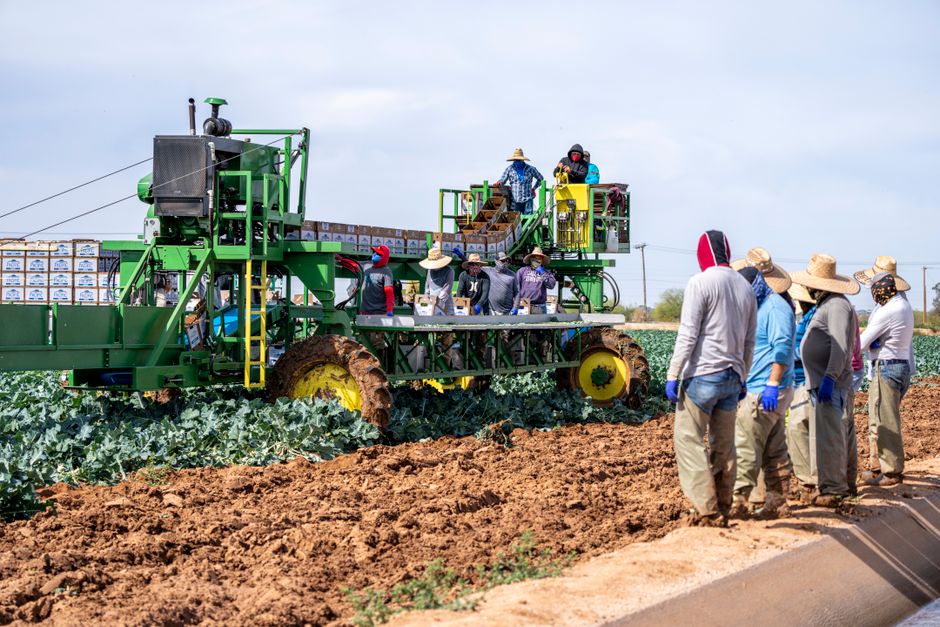
Not every route into the UK is a long-term skilled visa. For some African applicants, a temporary work visa is the fastest, most realistic way to gain UK work experience, earn in pounds, and build a track record. This guide explains the UK's temporary and seasonal work visa options, how long they last, and who they actually suit.

What Is a Temporary Work Visa?
UK temporary work visas allow you to come for a fixed, usually shorter, period for a specific type of work. They sit under the broader "Temporary Work" category and the separate Seasonal Worker route. Unlike the Skilled Worker visa, most temporary routes do not lead directly to settlement, but they can be a valuable stepping stone and a genuine source of overseas income and experience.
The Seasonal Worker Visa
The Seasonal Worker visa is the best-known seasonal route. It is designed mainly for edible and ornamental horticulture (fruit and vegetable picking, packing, and related farm work) and, in some periods, poultry production around peak seasons. Key features:
- Short duration — typically up to six months at a time.
- Employer-led — you apply through an approved scheme operator who acts as your sponsor.
- No advanced qualifications required — it is open to applicants without a degree, which makes it accessible.
Because it is open and demand for farm labour is high, the Seasonal Worker route is one of the more attainable ways for many Africans to work legally in the UK, even if only temporarily.
How Much Can You Realistically Earn on a Seasonal Worker Visa?
Pay on the Seasonal Worker route is generally structured around the UK's National Minimum Wage for your age bracket, with many operators offering a piece-rate top-up for productivity — meaning experienced, efficient workers can earn meaningfully more than the base hourly rate during peak harvest weeks. Hours can be substantial during peak season (long days are common when crops need harvesting on a tight window), which is part of why total earnings over a six-month placement can be significant even at a modest hourly rate. Remember to weigh this against accommodation deductions and your own living costs when estimating what you'll actually take home or be able to send back.
Other Temporary Work Routes
Beyond seasonal farm work, the Temporary Work category includes several specialised visas:
- Charity Worker — unpaid voluntary work for a registered charity.
- Religious Worker — roles within faith organisations.
- Creative Worker — for those in the arts, entertainment and creative industries.
- Government Authorised Exchange — work experience, training, or research through approved schemes.
- International Agreement — work covered by international law, such as for overseas governments or organisations.
Each has its own eligibility rules and sponsor requirements, and each is tied to a specific purpose rather than general employment.
Temporary vs Skilled Worker: Which Suits You?
| Factor | Temporary / Seasonal | Skilled Worker |
|---|---|---|
| Duration | Short (often up to 6 months) | Up to 5 years, renewable |
| Qualifications | Often none required | Skilled role required |
| Path to settlement | Usually none | Can lead to settlement |
| Best for | Quick experience and income | Long-term relocation |
What Life on a Seasonal Worker Visa Actually Looks Like
It helps to set realistic expectations rather than romanticised ones. Seasonal farm work in the UK typically involves:
- Physically demanding, outdoor work — picking, packing and grading produce, often in variable weather, for structured shifts that can be long during peak harvest periods.
- On-site or nearby accommodation — most scheme operators arrange worker accommodation close to the farm, with a weekly or monthly cost typically deducted from pay rather than provided free.
- Pay at or above the National Minimum Wage — scheme operators are required to meet minimum wage standards, with actual take-home pay depending on hours worked and any piece-rate bonuses for productivity.
- A genuinely temporary arrangement — you are expected to leave the UK at the end of your visa period; overstaying has serious consequences for future visa applications of any kind.
None of this makes the route unattractive — for many, it is a legitimate, well-paid few months of hard work that funds further study, a business back home, or a stronger financial position to pursue a longer-term route later. But it is not glamorous, and anyone selling it as an easy or leisurely visa is misrepresenting the reality.
Is a Temporary Visa Worth It for African Applicants?
It depends on your goal. If you want to settle long-term, the Skilled Worker route is the better target. But a temporary or seasonal visa can be worthwhile if you want to earn in pounds quickly, gain genuine UK work experience for your CV, build relationships with UK employers, and test whether relocation suits you — all without needing a degree. Many people use a temporary stint as a launchpad while they prepare for a skilled route later.
Whatever route you choose, beware of agents who promise guaranteed visas for a fee. Legitimate seasonal work is arranged through approved scheme operators, and you should never pay a recruiter for a job offer. For the fundamentals, read our guide on how visa sponsorship works.
Choosing Between Multiple Scheme Operators
For the Seasonal Worker route specifically, several approved scheme operators compete for workers, and they are not identical. Before accepting a placement, it's worth comparing operators on:
- Accommodation quality and cost — ask specifically what's deducted from pay and what the accommodation actually looks like, ideally from workers who've used that operator before.
- Farm location and crop type — different crops have different physical demands and different peak-season lengths.
- Transparency on pay structure — a reputable operator will clearly explain base pay, any piece-rate bonus system, and all deductions before you commit.
- Support during your placement — some operators provide more robust on-the-ground welfare support than others if issues arise.
Comparing operators takes a little extra research time but can meaningfully change your actual experience and take-home pay over a six-month placement.
How to Apply
- Find an approved scheme operator or licensed sponsor for the relevant route.
- Secure a placement or job offer through them.
- Receive your Certificate of Sponsorship.
- Apply online, pay the fee and health surcharge, and give biometrics at a local visa centre.
- Travel and begin work for the approved period.
Looking for legitimate openings? Browse verified UK roles on TontonAfriJobs, and build a strong application with our free CV builder.
Frequently Asked Questions
How long is a UK temporary work visa?
It varies by route. The Seasonal Worker visa is typically up to six months; other Temporary Work visas range from around 12 to 24 months depending on the category.
Does a seasonal work visa require a degree?
No. The Seasonal Worker route is open to applicants without higher qualifications, which is part of its appeal.
Can a temporary visa lead to permanent residency?
Most temporary routes do not lead directly to settlement. To work toward settlement, you would usually move onto a route like the Skilled Worker visa.
Can I bring my family on a seasonal visa?
Generally no — short seasonal routes do not allow dependants. Longer skilled routes do.
How do I find approved seasonal employers?
Apply through official approved scheme operators. Never pay an unofficial agent for a guaranteed offer; that is a common scam.
Is accommodation free on a seasonal worker visa?
Usually not entirely free — scheme operators typically arrange accommodation near the farm, with a weekly or monthly cost deducted from your pay. Confirm exact accommodation costs and conditions before accepting a placement.
What happens if I want to stay in the UK after a seasonal visa expires?
You must leave when your seasonal visa expires unless you have separately qualified for and been granted a different visa route before that date. Overstaying seriously damages your chances of any future UK visa application.
Can seasonal work experience help a later Skilled Worker application?
Not directly as a visa requirement, but it can genuinely strengthen your profile — UK work history, references, and familiarity with UK workplace expectations all make you a more attractive candidate when you later apply for skilled roles.
Conclusion
UK temporary and seasonal work visas will not suit everyone, but for many African applicants they are a real, accessible way to work legally in the UK, earn in pounds, and build experience — especially the Seasonal Worker route, which needs no degree. Use it strategically as a stepping stone, and apply only through approved sponsors. Explore current UK openings to get started.
Related guides
Keep building your move abroad with these in-depth guides from TontonAfriJobs:
- UK Skilled Worker Visa Salary Threshold Explained (2026)
- UK Skilled Worker Visa Costs and Fees: A Full Breakdown
- How to Get a UK Work Visa: The Application Process Step by Step
Ready to act? Browse current visa-sponsored and remote jobs open to Africans or build a country-tailored CV with our free CV builder.

Written by
Enyong Carinton Tegum
Founder, TontonAfriJobs · Full-Stack Developer · SEO & Digital Marketing · CCNA & Google IT Certified
Enyong Carinton is a full-stack web developer, SEO and digital marketing specialist from Buea, Cameroon, and the founder of Tonton Business. Drawing on over a decade of building for the web, he created TontonAfriJobs to connect Africa's workforce with legitimate visa-sponsored and remote jobs abroad — and to end the silent rejections African applicants face.
Read full profile & credentialsGet new visa-sponsored & remote jobs in your inbox
Join thousands of African professionals. New opportunities and relocation guides, no spam — unsubscribe anytime.