Jobs in Europe and Ireland With Visa Sponsorship
Enyong Carinton Tegum
Published on May 22, 2026
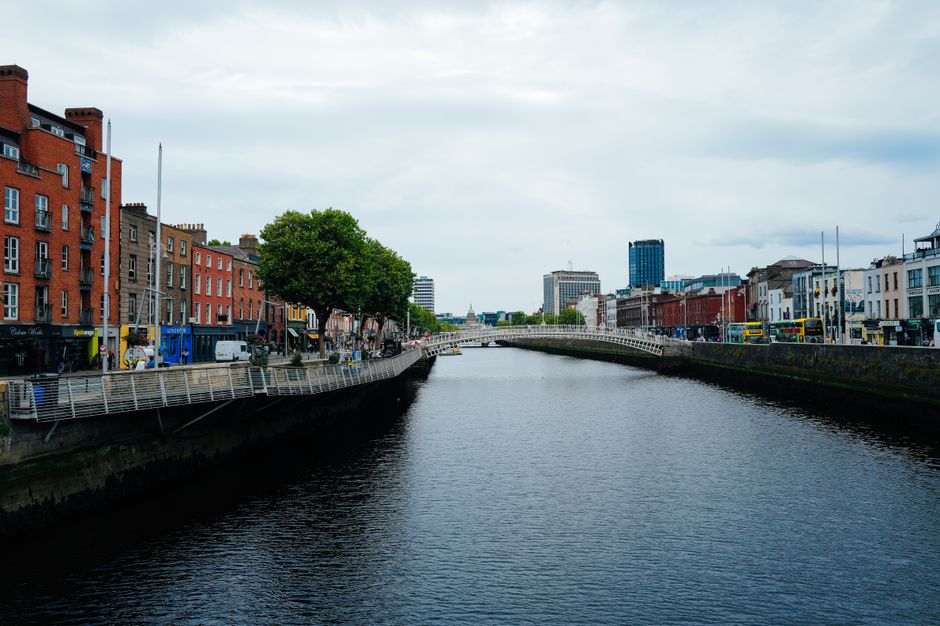
Europe is a vast, varied job market, and many of its countries actively sponsor skilled workers from abroad. Whether you are drawn to English-speaking Ireland or the wider EU, jobs in Europe with visa sponsorship offer African professionals strong salaries, worker protections and routes to residency. This guide maps out where to look and how to apply.

Two Ways Into Europe
For non-EU applicants, there are two broad approaches:
- The EU Blue Card — a pan-European work permit for highly qualified workers, available in most EU countries. With a recognised degree and a qualifying job offer, it offers attractive salary thresholds, family benefits and mobility within the EU over time.
- National work permits — each country also has its own routes, such as Ireland's employment permits, the Netherlands' highly skilled migrant scheme, and similar national programs.
Ireland: An English-Speaking Gateway
Ireland is especially popular with African applicants because it is English-speaking and home to many global tech, pharma and finance companies. Its main routes include:
- Critical Skills Employment Permit — for in-demand, higher-paid roles; it offers a fast track to long-term residency and easier family reunification.
- General Employment Permit — for a broader range of occupations meeting salary and labour-market criteria.
Tech, healthcare, pharmaceuticals, finance and engineering are particularly strong in Ireland. You can browse Ireland roles with visa sponsorship on TontonAfriJobs.
The Critical Skills permit is generally the stronger target if you qualify: unlike the General permit, it does not require the employer to complete a Labour Market Needs Test proving no EU candidate was suitable, which meaningfully speeds up the whole process. It also allows you to bring immediate family members to Ireland from the outset, rather than after a waiting period — a significant practical advantage if you are relocating with dependants.
What Makes Ireland Distinctive for African Applicants
Beyond the language advantage, Ireland has a genuinely large, established African community, particularly Nigerian and other West African communities in Dublin and other cities, which eases the cultural adjustment considerably compared with less diverse destinations. Ireland's economy is unusually concentrated around a small number of very large multinational employers — most major global tech and pharmaceutical companies have significant Irish operations — which means targeting those specific companies directly, rather than relying purely on generic job boards, can be a highly effective strategy. Housing costs in Dublin are a genuine challenge worth researching and budgeting for carefully before you commit to an offer; many workers commute from surrounding counties to manage costs.
Other Strong EU Destinations
- Netherlands — the highly skilled migrant route, with many English-friendly tech and engineering roles.
- Germany — the EU Blue Card and Opportunity Card (see our Germany work permit guide).
- Sweden, Denmark and Finland — skilled worker routes with strong tech sectors.
- Poland and other Central European states — growing demand and often faster processing.
Family Reunification Across Europe
Rules on bringing family vary by country and route, but the EU Blue Card generally offers some of the most favourable family reunification terms in Europe — spouses and children can typically join without long waiting periods, and spouses are usually granted the right to work without needing a separate permit. Ireland's Critical Skills permit similarly allows immediate family reunification from the outset, while its General Employment Permit requires a waiting period before you can bring dependants. Always confirm the specific family provisions of your chosen route before accepting an offer if relocating with family is part of your plan, since this detail varies meaningfully between otherwise similar-looking visa categories.
Understanding Schengen and EU Mobility Rules
A common point of confusion is what your work permit actually allows once you are in Europe. A national work permit (such as Ireland's employment permits) generally ties you to working in that specific country only — it does not automatically grant you the right to work elsewhere in the EU. The EU Blue Card is different: after a qualifying period of residence in your first Blue Card country, holders gain enhanced mobility rights to move and work in other EU member states more easily than under most national permits. Ireland is a partial exception worth noting — it is not part of the Schengen Area and operates its own immigration system separate from most EU rules, so moving from Ireland to continental Europe (or vice versa) requires a fresh application under the destination country's own rules, not automatic transfer.
Building Your Application Strategy Across Multiple Countries
Because so many European countries compete for the same pool of skilled international talent, applying broadly rather than committing to a single country early often produces better, faster results. Maintain one core CV and cover letter template, then adapt it to each country's specific conventions and job description — this is far more efficient than starting from scratch each time. Track which countries and companies you have applied to, along with recognition requirements and visa route for each, since juggling multiple simultaneous processes without a simple tracking system is a common and avoidable source of missed deadlines and lost opportunities.
In-Demand Sectors Across Europe
- Information technology and software.
- Healthcare and nursing.
- Engineering and manufacturing.
- Science, research and pharmaceuticals.
- Skilled trades and construction.
Living Costs Across Popular Destinations
| Country | Standout sectors | Relative living costs |
|---|---|---|
| Ireland (Dublin) | Tech, pharma, finance | High |
| Netherlands | Tech, engineering, logistics | High |
| Germany | Engineering, IT, manufacturing | Moderate-high (varies by city) |
| Sweden/Denmark/Finland | Tech, engineering, green energy | High |
| Poland/Central Europe | IT, manufacturing, shared services | Lower |
A lower headline salary in a lower-cost country can leave you with more disposable income than a higher salary in an expensive one — always compare net, real-world affordability rather than the gross number alone.
Steps for African Applicants
- Pick your target country based on language, sector strength and lifestyle. Ireland is a natural start for English speakers.
- Choose your route — EU Blue Card for graduates, or a national permit like Ireland's Critical Skills permit.
- Check qualification recognition, especially for regulated professions.
- Target sponsoring employers and browse verified European roles on TontonAfriJobs.
- Apply with a tailored, country-appropriate CV using our free CV builder.
Rules differ by country and change over time, so confirm details on each country's official immigration website and the EU Blue Card portal.
Frequently Asked Questions
What is the easiest European country for Africans to work in?
Ireland is a popular starting point because it is English-speaking with strong tech, pharma and healthcare demand. The best choice depends on your skills and language.
What is the EU Blue Card?
A work and residence permit for highly qualified non-EU workers, available across most EU countries, with attractive benefits and mobility.
Do I need to speak the local language?
For Ireland, English is enough. Elsewhere, many tech roles use English, but the local language helps for daily life and other sectors.
Which sectors sponsor most in Europe?
IT, healthcare, engineering, science/pharma and skilled trades are the strongest across most European countries.
Can European work permits lead to residency?
Yes. Routes like the EU Blue Card and Ireland's Critical Skills permit offer strong pathways to long-term residency.
Should I prioritise salary or cost of living?
Compare both together — a lower salary in an affordable country can leave you better off financially than a higher salary in an expensive one.
Are Central and Eastern European countries worth considering?
Yes, especially for IT and shared-services roles — they often combine genuine demand with a significantly lower cost of living and less competition.
Conclusion
Europe offers many doors for skilled Africans — from English-speaking Ireland to the pan-European Blue Card. Choose your country and route, sort out qualification recognition, and apply with a tailored CV. Explore European opportunities and build your CV to take the first step.
Related guides
Keep building your move abroad with these in-depth guides from TontonAfriJobs:
- How to Write a Cover Letter With No Experience
- What Is a Work Visa Sponsorship? How Employers Sponsor Foreign Workers
- Jobs in Japan for Foreigners With Visa Sponsorship
Ready to act? Browse current visa-sponsored and remote jobs open to Africans or build a country-tailored CV with our free CV builder.

Written by
Enyong Carinton Tegum
Founder, TontonAfriJobs · Full-Stack Developer · SEO & Digital Marketing · CCNA & Google IT Certified
Enyong Carinton is a full-stack web developer, SEO and digital marketing specialist from Buea, Cameroon, and the founder of Tonton Business. Drawing on over a decade of building for the web, he created TontonAfriJobs to connect Africa's workforce with legitimate visa-sponsored and remote jobs abroad — and to end the silent rejections African applicants face.
Read full profile & credentialsGet new visa-sponsored & remote jobs in your inbox
Join thousands of African professionals. New opportunities and relocation guides, no spam — unsubscribe anytime.