How to Get a Work Permit in Germany: The Complete Guide
Enyong Carinton Tegum
Published on April 14, 2026

Germany, Europe's largest economy, faces a major skills shortage — and it has redesigned its immigration system to attract foreign talent. For African professionals, getting a work permit in Germany is more achievable than ever, thanks to routes like the EU Blue Card and the new Opportunity Card. This guide explains every option.
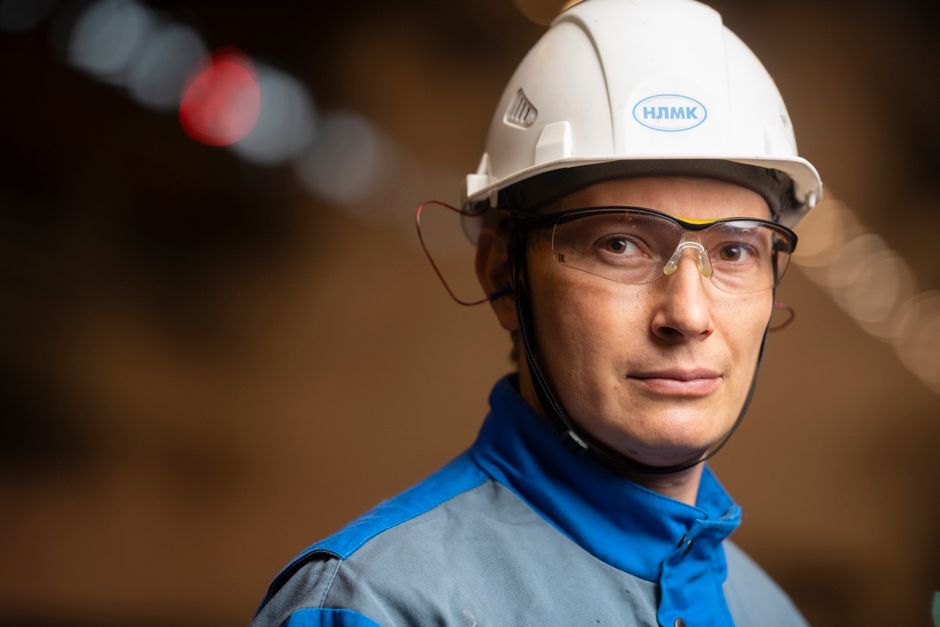
Germany's Modern Immigration System
Germany's Skilled Immigration Act overhauled the rules to make it easier for qualified non-EU workers to come. The system now rests on three pillars: qualification, experience, and potential (a points-based element). The main work routes include:
- EU Blue Card — for university graduates with a job offer meeting a salary threshold; a fast, attractive route with strong family and settlement benefits.
- Skilled Worker visa — for those with recognised vocational or academic qualifications and a job offer.
- Opportunity Card (Chancenkarte) — a points-based job-seeker route that lets qualified people come to Germany to look for work.
The EU Blue Card
The EU Blue Card is ideal for graduates in fields like IT, engineering, healthcare and science. You need a recognised degree and a job offer paying above a set salary threshold (lower thresholds apply for shortage occupations and recent graduates). Benefits include a fast route to permanent residency and easier family reunification. If you are a degree-holding professional, this is often the best target.
The Opportunity Card (Chancenkarte)
The Opportunity Card is a game-changer because it lets you enter Germany to search for a job without already having an offer. It uses a points system based on qualifications, German and English language skills, work experience and age. Once in Germany, you can take trial jobs and interviews, then switch to a work visa when you secure a role. This is a powerful option for confident, qualified applicants.
Health Insurance and Social Security
Germany requires everyone, including work permit holders, to have health insurance — typically through the statutory public system (gesetzliche Krankenversicherung), which is automatically deducted from your salary alongside pension and unemployment insurance contributions. This can come as a surprise if you are comparing a German gross salary to an offer elsewhere without accounting for it, since these deductions are more substantial than in many other countries. The upside is comprehensive coverage and, after a qualifying period of contributions, access to German social security benefits including unemployment support and a state pension — a genuine long-term security advantage worth weighing alongside the take-home pay figure.
Family Reunification: Bringing Your Spouse and Children
Germany's skilled worker routes, including the EU Blue Card, generally allow you to bring your spouse and minor children with you, and Blue Card holders benefit from simplified family reunification rules compared with some other visa categories — often without the spouse needing to prove German language ability before joining you, unlike some other European countries. Spouses and partners who join you are typically permitted to work in Germany without needing a separate work permit of their own, which is a meaningful practical advantage for dual-income households. Start gathering marriage and birth certificates (with certified translations) early, since family reunification applications require the same level of documentation rigour as your own work permit.
Qualification Recognition Matters
Germany places great emphasis on formal qualifications. For many roles — especially regulated professions like nursing or engineering — you must have your foreign qualification recognised as equivalent to a German one. Start this recognition process early through the official "Recognition in Germany" portal, as it is often the longest step.
Blue Card vs Opportunity Card: Which Should You Choose?
Both routes lead to the same destination, but they suit different situations. Choose the EU Blue Card if you already have a recognised degree and a concrete job offer meeting the salary threshold — it is faster, more predictable, and offers a quicker path to permanent residency since your employment is already secured. Choose the Opportunity Card if you have strong qualifications and confidence in your ability to interview and network in person, but do not yet have an offer — it lets you enter Germany, work part-time to support yourself while searching, and convert to a work visa once hired. The trade-off is real: the Opportunity Card requires more upfront risk and self-funded time in Germany without guaranteed employment, while the Blue Card requires securing an offer first, which can be the harder step from abroad. Many applicants use recognition of their qualifications as the deciding factor — if recognition is fast and your field is in the highest demand, the Blue Card is usually the smoother route.
In-Demand Fields
- IT and software development.
- Engineering — mechanical, electrical, automotive and civil.
- Healthcare and nursing.
- Skilled trades and craftspeople.
- Science and research.
Steps for African Applicants
- Check whether your qualification needs recognition and start that process.
- Pick your route: Blue Card (with offer), Skilled Worker visa, or Opportunity Card (to search on the ground).
- Learn some German — it boosts Opportunity Card points and everyday life, though many IT roles operate in English.
- Browse Germany roles with visa sponsorship on TontonAfriJobs.
- Apply with a German-style CV (Lebenslauf) using our free CV builder, which tailors format and includes the details German employers expect.
As always, immigration rules and thresholds change — verify current details on the official Make it in Germany and German mission websites.
What a German-Style CV (Lebenslauf) Actually Looks Like
German applications differ noticeably from CVs used elsewhere. A Lebenslauf is typically a structured, chronological table listing education and work history with precise dates (month and year), often including a professional photo, though this convention is gradually changing. It is usually accompanied by a formal cover letter (Anschreiben) and copies of your certificates and references (Zeugnisse) — German employers place real weight on documented proof of qualifications, not just claims on a CV. Precision and completeness matter more than creative formatting; a clean, accurate, thorough application signals exactly the reliability German employers are looking for.
Regional Differences Within Germany
Job opportunities and living costs vary significantly by region. Munich and Frankfurt offer high salaries in finance, tech and engineering but carry correspondingly high living costs. Berlin has a large, English-friendly startup and tech scene with somewhat lower living costs than Munich. Smaller industrial cities in states like North Rhine-Westphalia or Baden-Württemberg often have strong manufacturing and engineering demand with a notably lower cost of living and less competition for both jobs and housing — worth researching if a major-city salary is not essential to your goals.
Frequently Asked Questions
How do I get a work permit in Germany?
Secure a recognised qualification and a job offer, then apply for an EU Blue Card or Skilled Worker visa — or use the Opportunity Card to come and search for work first.
What is the Opportunity Card?
A points-based job-seeker route that lets qualified non-EU nationals enter Germany to look for a job without a prior offer.
Do I need to speak German?
It helps a lot and boosts Opportunity Card points, but many IT and international roles operate in English.
Does my qualification need to be recognised?
Often yes, especially for regulated professions. Start the recognition process early via the official portal.
Can a German work permit lead to permanent residency?
Yes. The EU Blue Card in particular offers one of the faster routes to permanent residency in Germany.
What documents does a German application expect?
A structured Lebenslauf, a formal cover letter, and copies of certificates and references — completeness and precision matter more than creative design.
Are smaller German cities worth considering?
Often yes — many offer strong demand in manufacturing and engineering with lower living costs and less competition than Munich, Frankfurt or Berlin.
Conclusion
Germany actively wants skilled workers, and routes like the EU Blue Card and Opportunity Card make it realistic for African professionals. Get your qualifications recognised, choose the right route, and apply with a strong Lebenslauf. Browse German opportunities and build your CV for Germany today.
Related guides
Keep building your move abroad with these in-depth guides from TontonAfriJobs:
- Ireland Work Visa for South Africans: The Complete 2026 Guide
- Will You Now or in the Future Require Visa Sponsorship? How to Answer
- UK Skilled Worker Visa Salary Threshold Explained (2026)
Ready to act? Browse current visa-sponsored and remote jobs open to Africans or build a country-tailored CV with our free CV builder.

Written by
Enyong Carinton Tegum
Founder, TontonAfriJobs · Full-Stack Developer · SEO & Digital Marketing · CCNA & Google IT Certified
Enyong Carinton is a full-stack web developer, SEO and digital marketing specialist from Buea, Cameroon, and the founder of Tonton Business. Drawing on over a decade of building for the web, he created TontonAfriJobs to connect Africa's workforce with legitimate visa-sponsored and remote jobs abroad — and to end the silent rejections African applicants face.
Read full profile & credentialsGet new visa-sponsored & remote jobs in your inbox
Join thousands of African professionals. New opportunities and relocation guides, no spam — unsubscribe anytime.