LMIA Jobs for Foreigners Outside Canada: How They Work
Enyong Carinton Tegum
Published on November 26, 2025
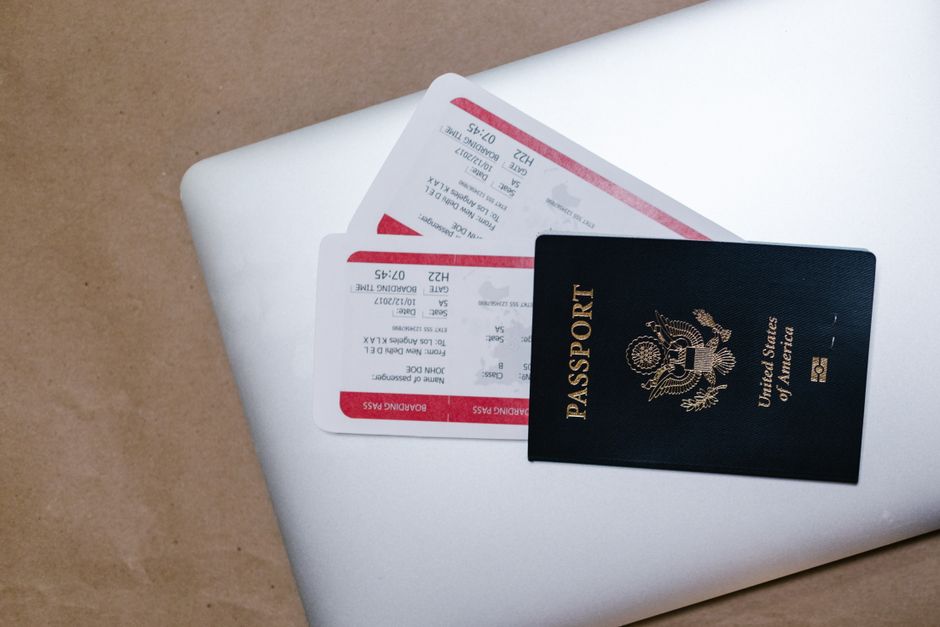
If you are researching how to work in Canada from your home country, you will quickly meet four letters: LMIA. Understanding LMIA jobs for foreigners outside Canada is essential, because for many African applicants this is the most direct employer-driven route to a Canadian work permit. This guide explains exactly how it works, who pays for what, and how to apply from abroad.

What Is an LMIA?
An LMIA — Labour Market Impact Assessment — is a document a Canadian employer obtains from Employment and Social Development Canada (ESDC) to prove that hiring a foreign worker will not negatively affect the Canadian labour market. In plain terms, the employer demonstrates they tried to hire locally but need to bring in a worker from abroad. A positive LMIA is the green light that lets you apply for a work permit.
LMIA Categories and Why They Matter to You
Not all LMIAs are treated equally, and knowing the category behind your offer helps you understand what to expect. High-wage LMIAs (roles paying above the provincial median wage) typically involve a transition plan showing how the employer will eventually reduce reliance on foreign labour, while low-wage LMIAs come with additional protections, including caps on how many low-wage foreign workers an employer can hire and mandatory support for items like return transportation. Seasonal and agricultural streams have their own simplified processes given their temporary, cyclical nature. None of this changes what you personally need to do, but understanding which category your offer falls under helps you ask informed questions and recognise whether your employer is following the correct process for your role.
How the LMIA Work Permit Process Works
- You secure a job offer from a Canadian employer willing to support an LMIA.
- The employer applies for the LMIA, advertising the role and paying the processing fee. They must show the genuine need to hire internationally.
- ESDC issues a positive (or neutral) LMIA if the application meets the requirements.
- You apply for a work permit from outside Canada, using the LMIA and your job offer letter, through IRCC.
- You complete biometrics and medicals at a visa application centre in your country.
- Once approved, you travel to Canada and begin work for that employer.
Because you apply from outside Canada, you will typically deal with a local visa application centre for biometrics and document submission, similar to other countries' processes.
Who Pays for the LMIA?
This is critical: the employer pays the LMIA processing fee, and it is illegal for them to recover that fee from you. You may pay your own work permit application fee, biometrics fee, and medical exam costs. If any employer or agent asks you to pay for the LMIA itself or to "buy" a job offer, it is a scam — walk away.
LMIA-Exempt Routes Worth Knowing
Not every Canadian work permit needs an LMIA. The International Mobility Program covers LMIA-exempt categories, including certain intra-company transfers, roles under trade agreements such as CUSMA, and the Global Talent Stream for high-demand tech roles, which is known for fast processing. If you are a skilled tech worker, the Global Talent Stream can be quicker than a standard LMIA route.
How LMIA Connects to Permanent Residency
An LMIA-backed job has historically been valuable for permanent residence pathways too. However, the rules around how a job offer affects Express Entry scores have changed over time — for example, the additional CRS points for arranged employment were revised in 2025. Because these policies shift, treat an LMIA mainly as your route to a work permit, and confirm the current permanent-residency benefits on the official IRCC pages before counting on them.
Tips for African Applicants Applying From Abroad
- Target genuine LMIA employers in shortage sectors — healthcare, trades, transport, agriculture, tech.
- Prepare documents early — passport, qualifications, references, and any required credential assessments.
- Use a Canadian-style CV tailored to the role with our free CV builder.
- Read our companion guide on finding Canadian employers who hire foreigners.
- Verify everything on canada.ca, since processing times and rules change.
What an LMIA Application Actually Involves for the Employer
Understanding the employer's side of the process helps you judge how genuine a job offer is. Before hiring you, a Canadian employer must typically advertise the role to Canadians and permanent residents for a set minimum period across specified channels, document their recruitment efforts and results, demonstrate that the wage offered meets the prevailing rate for the occupation and region, and submit their application with supporting business information to ESDC. This process takes real time and genuine effort — which is exactly why a legitimate employer offering you an LMIA-backed role has already invested meaningfully in hiring you specifically, unlike a scam operation that claims to offer "instant" LMIA jobs with no real vacancy behind them.
What Genuine Recruitment Advertising Looks Like
Because employers must prove they tried to hire locally first, the advertising stage of an LMIA leaves a real paper trail — and understanding it helps you recognise a legitimate opportunity. Employers typically must advertise on the national Job Bank for a minimum period alongside at least two other recruitment methods suited to the occupation, and they must genuinely consider all applications received, including from Canadians and permanent residents, before the LMIA can be approved. If a role you are applying for was never actually advertised this way, or the employer seems unfamiliar with this requirement, treat it as a warning sign rather than assuming the process was simply skipped in your favour.
What Happens if Your Work Permit Application Is Refused
A refusal is not necessarily the end of the road. Common reasons include incomplete documentation, inconsistencies between your application and supporting documents, insufficient proof of qualifications, or concerns about your intention to leave Canada at the end of your permit (for temporary streams). If refused, you typically receive written reasons from IRCC. Review them carefully, address the specific issue, and consider reapplying with stronger documentation rather than assuming the door is permanently closed — many successful applicants were refused once before correcting a specific, fixable problem.
Common Pitfalls
- Paying for an LMIA or job offer — always illegal and a clear scam signal.
- Assuming an LMIA guarantees permanent residency — it supports a work permit; PR is separate.
- Submitting inconsistent documents that do not match your passport or offer.
- Ignoring credential assessment for regulated professions like nursing.
Frequently Asked Questions
Can I get an LMIA job while living outside Canada?
Yes. Many foreign workers secure an LMIA-backed offer and apply for their work permit from their home country.
Do I pay for the LMIA?
No. The employer pays the LMIA fee and cannot legally charge it to you. You pay your own work permit and biometrics fees.
How long does the LMIA process take?
It varies by stream and season; the Global Talent Stream is usually faster. Check current processing times on canada.ca.
Does an LMIA lead to permanent residency?
It is mainly a route to a work permit. Its effect on PR pathways has changed over time, so verify the current rules with IRCC.
Is the Global Talent Stream an LMIA?
It is a faster employer-driven stream that still involves a Labour Market Benefits Plan; for eligible tech roles it is quicker than a standard LMIA.
What should I do if my work permit is refused?
Read the refusal reasons carefully, address the specific issue raised, and consider reapplying with stronger supporting documents rather than giving up.
How do I know an LMIA job offer is genuine?
A genuine offer comes with a real, named employer who can describe their advertising and recruitment process — vague, instant or unusually easy offers are red flags.
Conclusion
LMIA jobs are a proven route for foreigners to work in Canada from abroad: the employer proves the need, you apply for the permit, and only the employer pays the LMIA fee. Target real LMIA employers, prepare strong documents, and verify the latest rules on canada.ca. Browse Canada opportunities and build a Canadian-format CV to get started.
Related guides
Keep building your move abroad with these in-depth guides from TontonAfriJobs:
- How to Find Canadian Employers Looking for Foreign Workers
- How to Get a Job in Canada From Abroad: A Step-by-Step Guide
- How to Get a Canada Work Visa From Nigeria: Step-by-Step 2026 Guide
Ready to act? Browse current visa-sponsored and remote jobs open to Africans or build a country-tailored CV with our free CV builder.

Written by
Enyong Carinton Tegum
Founder, TontonAfriJobs · Full-Stack Developer · SEO & Digital Marketing · CCNA & Google IT Certified
Enyong Carinton is a full-stack web developer, SEO and digital marketing specialist from Buea, Cameroon, and the founder of Tonton Business. Drawing on over a decade of building for the web, he created TontonAfriJobs to connect Africa's workforce with legitimate visa-sponsored and remote jobs abroad — and to end the silent rejections African applicants face.
Read full profile & credentialsGet new visa-sponsored & remote jobs in your inbox
Join thousands of African professionals. New opportunities and relocation guides, no spam — unsubscribe anytime.
Related Articles

How to Get a Job in Canada From Abroad: A Step-by-Step Guide
